
Quick answer: Climate migration is when people relocate to reduce their exposure to wildfires, hurricanes, flooding, or extreme heat, and it’s a growing reason people move, with more than 3 million people relocating within the U.S. due to climate factors in recent years. Inland, lower-risk regions like Tennessee, the North Carolina Piedmont, inland Texas, and Northwest Arkansas are seeing more of this migration. Before moving for climate reasons, check flood and fire risk tools, insurance availability, and long-term projections for your destination, not just your current risk.
If you’re planning to move in the next year, there’s a growing chance that you’re in the early stages of climate migration in the United States. Historically, climate-driven moves were to take advantage of more temperate weather patterns, but that’s changing.
Moving for easier access to recreation on the water, in the mountains, or near the desert seemed like a great idea in the past. And for some of us, it’s still a lifelong goal.
But as we see the effects of climate change on vulnerable ecosystems and regions, many are making a calculated change. Over the last few years, more than 3 million people have migrated to the United States due to climate change.
Don’t get us wrong. People are still flocking to Sun Belt population centers like Y’all Street in Texas (where else?) for economic opportunities that just aren’t there in other parts of the country.
Little Guys Movers recognizes the challenges climate change presents. We’re uniquely positioned to help our customers get to the best place for their families and businesses.
We’re digging into the ecological and economic challenges that could determine your next move.
Climate Migration: The Move Nobody Plans For

The call comes in the middle of the night. Wildfire evacuation. You grab your go-bag, pack the kids in the car, and drive away from your home, hoping it’s not for the last time. On the drive, your partner looks over and says, “We can’t keep doing this.”
Unfortunately, this very real scenario plays out several times a year for those in the direct path of wildfires in the West. Massive wildfires consume hundreds of thousands of acres annually, and those living in their path bear the brunt of the impact.
If your home survives, you’re looking at spiking home insurance rates, if you can insure at all.
100-year climate and weather events now feel like they’re on an annual cycle. And people living in these areas are exhausted by the constant back-and-forth. The lack of substantive federal direction on climate mitigation means the weight falls on individual families instead.
Building a home and community in a climate hot spot is harder when it’s constantly uprooted. Many people choose to move away from wildfire risk rather than return and rebuild. In fact, one in three Americans cite climate change as a motivation to move.
Ready to Move? We've Got You Covered.
Whether you're ready to book or just have questions, we're here to help.
What’s Driving People Out
Across our markets, we see different reasons for climate-driven relocations. Dry and windy conditions in Colorado translate to wildfire risks. Extreme heat and humidity in Central Texas put pressure on vulnerable populations. Powerful storms along the East Coast cause unpredictable, unprecedented flooding.
It seems like almost every major market in the country faces some form of climate pressure. However, these are the primary causes of climate-driven moves.
Wildfires
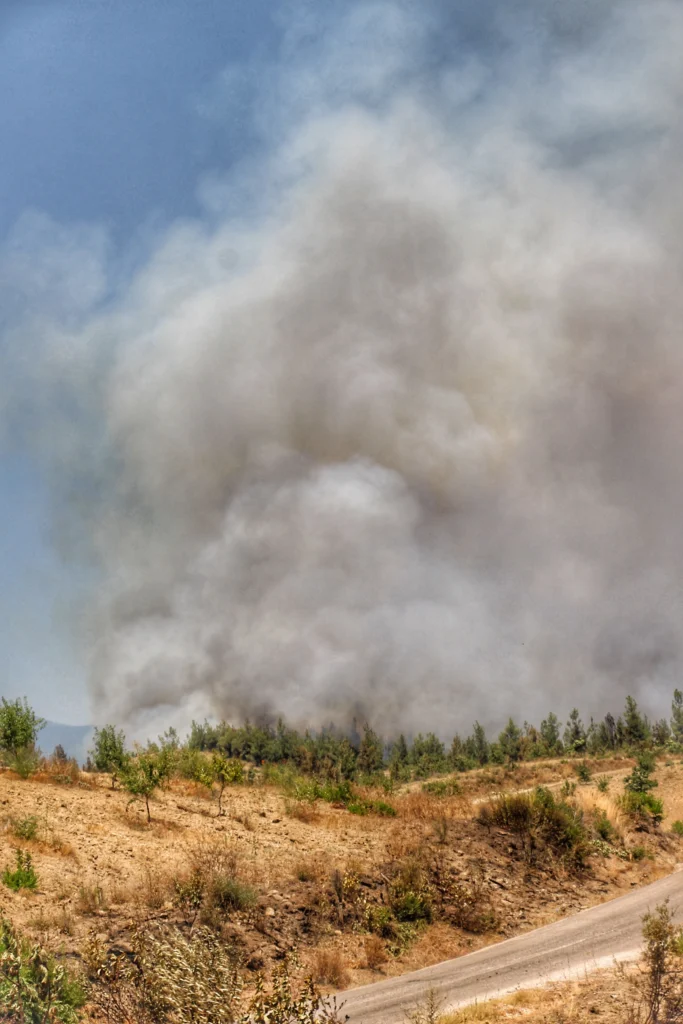
The Mountain West sees significant wildfires annually. Communities in the wildland-urban interface (WUI) take most of the heat. In the last few years, Colorado and California have seen catastrophic losses of life and property. And while the 24-hour news cycle focuses on them for a while, the long-term effects aren’t in the news as consistently.
Beyond the obvious impacts of wildfire, air quality is the biggest underreported effect. For weeks at a time, residents must either avoid the outdoors entirely or wear PPE to protect themselves. Residents with breathing disorders are disproportionately impacted.
Insurance companies see a different problem. Shareholders in these corporations expect a return on their investments. In the recent LA fires, these groups paid out an estimated $45-$75 billion in claims.
When enough disasters hit the same area, long-term habitability becomes part of the conversation. Companies stop insuring homes based on their risk assessment, making it impossible to secure a mortgage and purchase a home. This issue affects any region plagued by natural disasters.
Flooding and Hurricanes
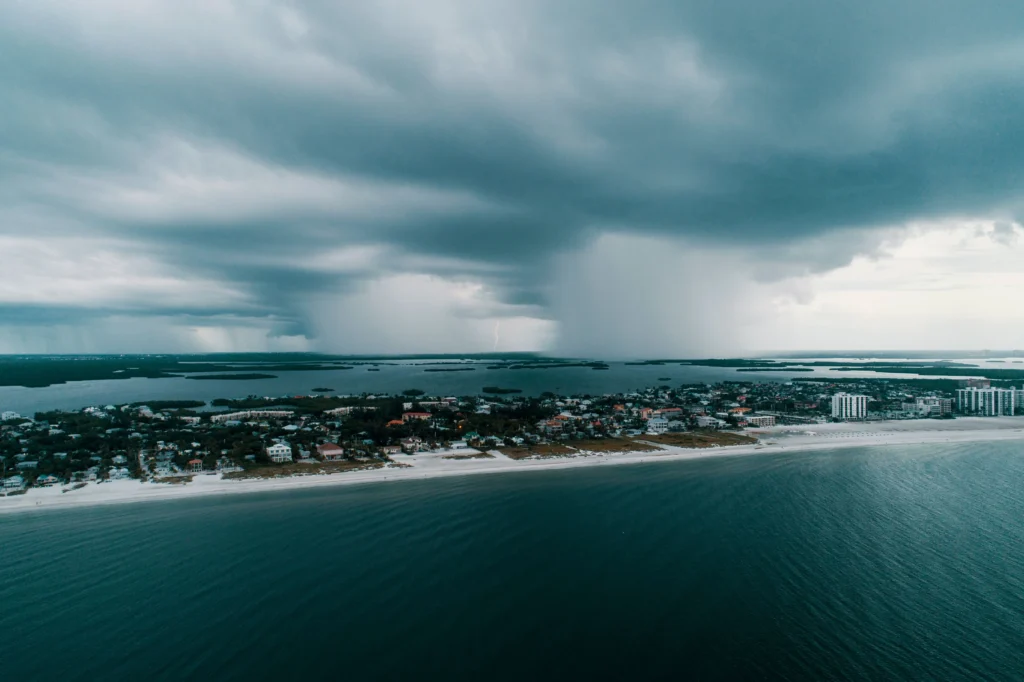
Extreme weather events like hurricanes bring more than just catastrophic wind damage. Along with destruction comes storm surge, which floods low-lying coastal areas. As storms get more and more powerful, a byproduct of warming oceans, damages rise into the billions.
Sea levels are also rising, compounding the impact of major storms. Cities like New Orleans, Houston, and others along the Gulf Coast are experiencing floods like never before.
Instead of waiting to be displaced by extreme weather events, people migrate away from the threat.
Extreme Heat
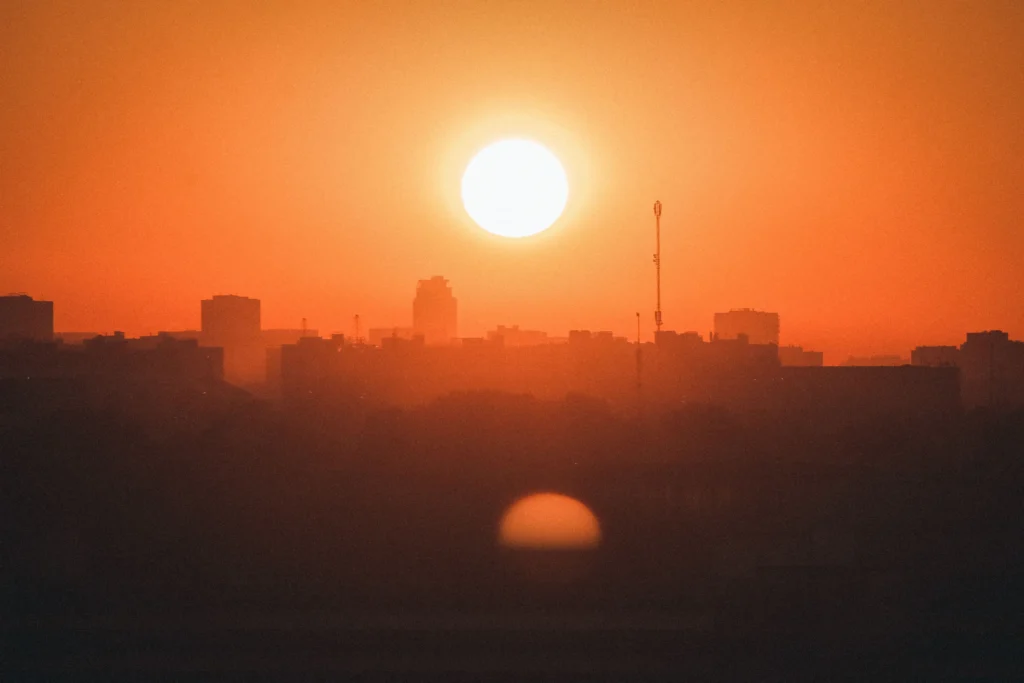
We’ve all seen the pictures of melting trash bins in Phoenix. What’s actually happening is a combination of searingly hot days and sweltering nights. In 2023 alone, Phoenix saw 31 consecutive days of temperatures at or above 110°F. Las Vegas and parts of Texas are also experiencing a rise in average summer temperatures.
Heat waves aren’t just about comfort. For vulnerable populations, they’re deadly. Young children and the elderly are disproportionately impacted, and even healthy adults can suffer heat stroke.
Where People Are Landing And Why LGM Markets Are On The List
Choosing to leave a region due to environmental hazards is a choice you’ll have to make for yourself. No region in the US is immune to the shifts in global climate. Ultimately, you’ll have to weigh your family’s risk profile to find the right location.
Plenty of cities around the country have declared themselves climate havens, and for good reason. Either because of location, forward-thinking civic planning, or both, these regions are less impacted by extreme weather and climate risks.
Several of our markets are also considerably safer.
- Tennessee (Murfreesboro, Nashville) is inland with a lower flood risk than areas along the Gulf Coast. No state sales tax makes it economically appealing, and the stronger job market makes it a safer bet in the long term.
- North Carolina (Raleigh, Greensboro), away from the coastline in the Piedmont and mountains, draws climate migrants from the more expensive Northeast. Moderate temperatures also appeal to those seeking to avoid southern heat waves.
- Inland Texas (DFW, Waco) is far enough from the coast to avoid storms and doesn’t have a history of flooding like parts of the Hill Country. Economic development and growth are expected to continue, despite the heat and humidity.
- Northwest Arkansas (Fayetteville, Bentonville) is on our list because of its relatively lower cost of living and distance from the coast. It’s known for its outdoor living opportunities, stronger economic outlook, and educational opportunities.
What to Research Before You Make a Climate-Motivated Move
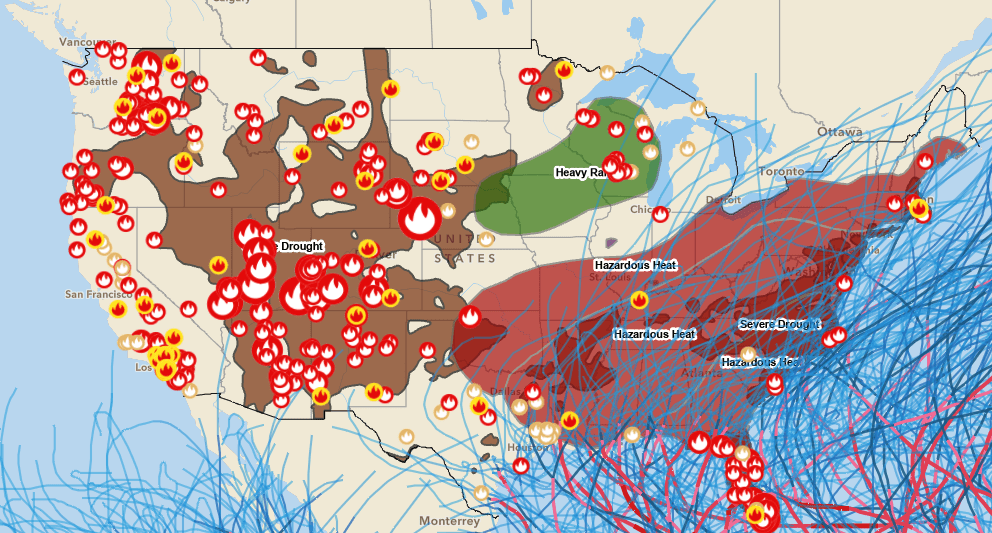
So, you’re ready to move out of your current region and into a less climate-impacted zone if you have a flexible job that doesn’t restrict you to any particular area; great! You’ve got a lot of choices.
If, however, you’re looking for a new career along with a new location, you’ve got a bigger challenge ahead of you.
For the sake of this article, let’s just look at fire and weather.
- This FEMA-provided mapping tool allows users to toggle among 18 natural disaster types across the United States. Compare your current location to your destination to make the most informed choice.
- Check insurance availability and rates for your new home. Markets are tightening as severe weather incidents increase.
- Make sure you understand the risks in your new home. Many inland areas are still prone to seasonal flooding and extreme weather.
- Infrastructure resilience matters. Look at the power grid, local emergency management, and hospital access. Several cities on the climate haven list are there because of a proactive approach.
- Look at long-term climate projections with current predictive models. If it’s on the edge of what you can tolerate already, it probably won’t get better.
How Little Guys Helps With Climate Migration
When you’re ready to make a move out of a high-risk area, call Little Guys Movers. We have stores in many of the more climate-resilient regions. Our crews are experts at long-hauls and have the experience to navigate cross-country and local moves with the same professionalism.
By the time you’ve reached your extreme weather breaking point, you’ve likely been in your current home for some time. Our team can help with downsizing by making it easy to donate unwanted items, haul off junk, or provide full packing and unpacking services.
Over 30+ years, we’ve moved tens of thousands of families and individuals long distances.
From Recent Reviews
Moving across state lines as a family of two young children is so stressful. There were so many unexpected changes or disruptions in our plan. However, Little Guys Movers was an exception in the chaos of the move!
They were predictable, reliable, transparent, and compassionate! You can count on them. They were also very gentle with our furniture, e.g., our piano. They were very patient. The drivers arrived at the destination much sooner than we did.
Little Guys Movers were very good at communicating with us regarding where we were and where they were on the way, but never rushed us. We will choose Little Guys Movers again if we ever move to an area within their service map.
– Joy W.
Movers were efficient and careful with our belongings. Shout out for making the long drive to Minnesota. These guys are great!
– K.M.
FAQs
Where are people moving to avoid climate risk?
Americans are moving to “climate havens” to avoid climate risk. These are areas with abundant freshwater, cooler temperatures, and lower risk of extreme weather and wildfires. The Great Lakes Region, Inland New England, and the Pacific Northwest are top contenders.
Is it smart to move because of climate change?
Moving to escape the effects of climate change can be a smart move if you’re moving to protect your family and your finances. If you currently live in a high-risk area, relocating can make a significant difference.
Which states are safest from natural disasters?
Generally speaking, states in the Northeast and the Great Lakes region are safest from natural disasters. The top five are Michigan, Minnesota, Delaware, Maine, and Vermont.
Why are people leaving California and Florida?
People are leaving California and Florida for many reasons, chief among them are climate risks and extreme weather. Wildfires and high property insurance costs in California, and the increasing frequency and intensity of tropical storms and flooding in Florida, are primary drivers.
How do I research climate risk in a new city before I move?
Several tools are available to help you create a climate plan before moving to a new city. First Street Foundation has a tool that checks for flood, fire, heat, and wind risks at your new address. Also, check out the resilience and infrastructure plans in your new city. Are they looking ahead at how to adapt to a changing climate?
Is Tennessee a good place to move for safety from natural disasters?
Tennessee is at a moderate risk for natural disasters. While it’s far enough from the coast to avoid hurricanes and isn’t prone to wildfires, there’s a catch. The state sees frequent severe storms and tornadoes during the summer. Eastern Tennessee is considered less active due to its rugged terrain.
Read More About…
- The Mortgage Lock-In Effect — when a life event like climate risk is worth overriding the rate math
- Moving to Nashville: A Local’s Guide — one of the lower-risk markets covered above
- Moving to Raleigh, NC: A Local’s Guide — another Piedmont market drawing climate migrants
- Long-Distance Moving — already linked in the article; keep in place
Little Guys Movers Move Your Family Safely
Climate migration in the United States is a rising trend, one that doesn’t seem to be slowing down anytime soon. At Little Guys Movers, we’re committed to a stress-free moving experience delivered by a professional crew. Our teams know how challenging the moving process is, and we treat every move with the care and respect it deserves.
If you’re ready to make the move to a more climate-resilient region, give us a call. We handle long-haul moves the Little Guys way, so no delivery window or random crew is dropping off your furniture.
Ready to Move? We've Got You Covered.
Whether you're ready to book or just have questions, we're here to help.