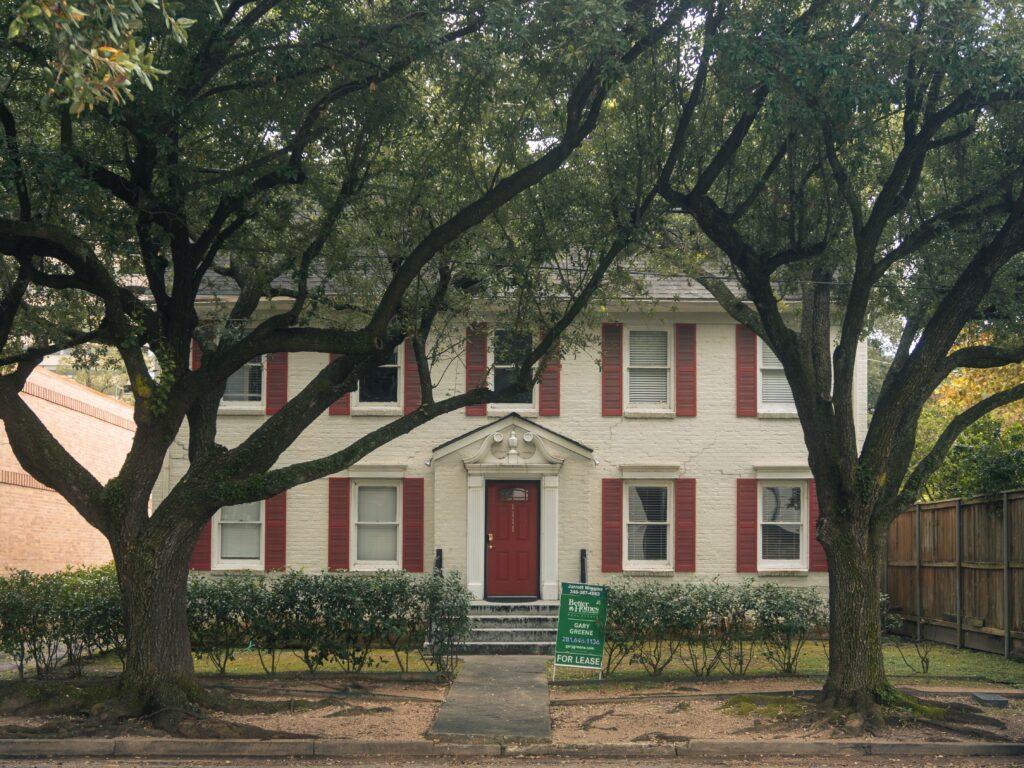
Quick answer: If you’re locked into a low mortgage rate, renting out your current home instead of selling it lets you keep that rate while renting your next place, whether that’s across town or across the country. It works best when local rent comps cover most of your carrying costs, and you’ve got three to six months of expenses set aside for vacancies or repairs. Run your own numbers before committing since it only makes sense if the math actually pencils out.
If you’ve read our breakdown of the mortgage lock-in effect, you already know the math: half of all mortgaged homeowners are sitting on rates below 4%, and moving means giving that up. Whatever the reason behind your move, the decision to rent your property or sell isn’t easy. And if you’re sitting on a COVID-era mortgage rate, it’s even harder. You’re facing one of the great questions of the mortgage lock-in effect.
For many of us, selling one home is necessary to purchase another. But today, that math has broken down for a huge share of homeowners. Freddie Mac reported 30-year mortgage rates averaging 6.58% in July 2026, while just over half of all outstanding mortgages still carry rates at or below 4%, according to FHFA data reported by Realtor.com. Selling means trading a rate you’ll never see again for one that could cost hundreds more a month, even on a comparable home.
Instead of selling at a loss, there’s a subset of homeowners making a different choice. They’ve decided to lease out their current home and rent one that’s a better fit. Through this process, they can keep their low rates, pay down the mortgage, and move on in one step.
When you’re ready to move, but not ready to sell, it’s easy to feel overwhelmed by the unknown. We’re looking at one way to break out of the mortgage lock-in effect that might be the right move for you.
The Strategy More People Are Using to Ditch the Lock-In
This isn’t a fringe workaround. FHFA researchers found that for every percentage point mortgage rates rise above a homeowner’s original rate, the odds they’ll sell drop by 18.1%. That lock-in effect alone is estimated to have prevented 1.33 million home sales between 2022 and 2023. The overflow is showing up in the rental market. Zillow’s research found that homes previously listed for sale and later switched to rentals made up roughly 2.3% of listed rental stock in 2026. Industry analysts have started calling this group “accidental landlords,” homeowners who didn’t plan to rent out their home, but found the math worked better than selling at a loss.
Low-rate mortgages are hard to leave behind, hence the lock-in concept. But new job opportunities, shifting political realities, or family-related relocation might force your hand. When that happens, more owners are choosing to keep the house and change their address instead of giving up the rate entirely.
The Financial Case: Does It Actually Pencil Out?

Before deciding to rent instead of sell, you’ll need to do some research. Look at some comps in your area to see what they’re renting for. If they’re below your total monthly costs, then renting out your property begins to make sense.
Your total monthly costs include:
- Mortgage – this includes your principal and interest, property taxes in the form of escrow, and private mortgage insurance if you put down less than 20% at the time of purchase (PITI)
- Insurance – homeowners insurance protects your investment
- Routine maintenance – things like HVAC filters, lawn care, pest control, etc.
Additionally, you’ll have to upgrade your insurance policy to a landlord policy. To help cover vacancy and unexpected repairs, keep three to six months of expenses in reserve.
Here’s what this actually looks like in practice.
Say you bought a $350,000 home in 2021 with 10% down at 2.9%. Your loan balance today is around $305,000, and your current monthly costs break down like this:
| Cost | Monthly |
| Principal & interest | $1,308 |
| Property taxes (escrow) | $490 |
| Landlord insurance (upgraded from homeowners) | $155 |
| Total carrying cost | $1,953 |
Comparable homes in your neighborhood are renting for $2,250/month. That gives you roughly $297/month before you set anything aside for maintenance. Budget 1% of your home’s value per year for repairs and upkeep, about $292/month, and you land close to break-even.
Here’s where the math actually pays off: if you’d sold instead and bought a comparable $420,000 home today at 6.5%, your new PITI would run closer to $3,100/month. Renting your next home in the same price range might cost you $2,600/month instead. Add that to the roughly break-even old house, and your total monthly housing cost lands around $2,600, about $500 less than buying again would’ve cost you, while you keep building equity in the property you already own.
Renting out your old home usually won’t make you money in year one. What it does do is let you walk away from the lock-in without touching your 2.9% rate, while a tenant pays down your principal for you. Depending on your personal financial situation, decide how much of a loss you can tolerate.
Like any investment, there are risks and uneven growth patterns. In the long run, you’re likely to come out on top. When you’ve looked at all the numbers, you can decide if this makes financial sense for your personal goals.
The Emotional and Practical Trade-offs
There’s more to this equation than just finances. For several generations, owning a home has been central to the American Dream. This goes back to the 1930s, with the establishment of the Federal Housing Administration and the 30-year fixed-rate mortgage.
That attitude has proven durable: according to the National Association of Realtors, the median homeowner today expects to stay in a purchased home for 11 years, up sharply from around 6 years during the 2000–2008 period. As a result of the lock-in, the high cost of trading up has turned what used to be a starter home into a much longer-term commitment for many owners.
Buying a home has always meant more than shelter. It’s meant security, stability, and success. Choosing to give up the identity of a homeowner in your new location is one of the major hurdles of renting. Social pressure is powerful, but having the flexibility to move is a strong argument in the other direction.
Is Becoming a Landlord the Right Move for You?

Not every homeowner is cut out to manage a rental, even a great one. Before you commit, be honest with yourself about what you’re signing up for.
This strategy tends to work well if:
- Your rental income would cover most or all of your carrying costs, even before you turn a profit
- You have 3–6 months of expenses set aside for vacancies or unexpected repairs
- You’re comfortable handling, or paying someone to handle, tenant communication, maintenance requests, and occasional conflict
- Your new location is far enough away, or your schedule is busy enough, that you’re already planning to hire a property manager
- You view the property as a long-term hold, not something you’ll want to sell in the next year or two
It’s probably not the right fit if:
- Your rental income wouldn’t come close to covering your mortgage, taxes, and insurance
- You don’t have savings to absorb a month or two of vacancy, or a surprise repair
- The idea of a 2 a.m. call about a broken water heater fills you with dread
- You’re moving somewhere temporary and might want to sell within the next 12–18 months
- You haven’t checked whether your mortgage has an owner-occupancy clause that restricts renting it out yet (more on that below)
If you’re landing mostly in the first list, this is worth exploring seriously. If you’re landing in the second, that’s useful information too. It might mean waiting, selling despite the rate hit, or looking at a property management company to close the gap on the parts that worry you most.
What to Research Before You Commit
Before you move forward with renting out your home, there are a few other things you’ll need to know.
- Most mortgages have an owner-occupancy requirement to remain in good standing. These typically include a 60-day move-in window and a 12-month occupancy requirement. At that point, you’ll have more freedom to rent out your property.
- In all states, landlords and tenants have to follow applicable laws that govern the relationship. Everything from rental applications and agreements to termination and eviction notices is in there.
- For tax purposes, rental income is considered regular income. Landlords can deduct things like mortgage interest payments, insurance, property management, and operating costs.
- If you’re moving far away from your property, you’ll want to consider a property management company. They’ll handle daily operations for your property, including the tenant relationship, for a fee.
FAQ
- Can I rent out my house and rent somewhere else?
Yes, and it’s increasingly common. Zillow’s most recent research found that “accidental landlords”, homeowners renting out a property they’d otherwise sell, made up roughly 2.3% of listed rental stock. Whether it makes sense for you depends on your mortgage terms, local rent comps, and how much of a short-term loss you can tolerate. - Does my mortgage allow me to rent out my home?
Most conventional mortgages include an owner-occupancy clause requiring you to live in the home for a set period, typically 12 months, before renting it out. Renting sooner can violate your loan agreement. Check your loan documents or ask your lender directly before listing the property. - What are the tax implications of renting out my primary residence?
Once you rent the property, the income is taxable, but you can deduct mortgage interest, property taxes, insurance, maintenance, and property management fees against it. Converting a primary residence to a rental can also affect your eligibility for the capital gains exclusion if you sell later, so it’s worth a conversation with a tax professional before you commit. - Is it smart to rent my house instead of selling in today’s market?
For homeowners with a mortgage rate well below today’s average, it can preserve a valuable asset while giving you the flexibility to move. Freddie Mac reported 30-year rates averaging 6.43% as of July 2026, while just over half of outstanding mortgages still carry rates at or below 4%. That gap is exactly why more owners are choosing to rent rather than sell at a financing disadvantage, though it only “pencils out” if your numbers do. Run your own comps before deciding whether this is your path out of your mortgage lock-in.
Read More About…
- The Mortgage Lock-In Effect — the full breakdown of why so many homeowners are staying put
- Moving Out of State: Little Guys Complete Guide — planning an interstate move, whether you’re renting or buying at the other end
- Long-Distance Moving — how our process works if your next place is out of state
When You’re Ready to Actually Make the Move
Whether you’re renting your next place across town or across the country, the move itself doesn’t change. Little Guys Movers is fully licensed and insured for local and long-distance moves, with full-service packing and unpacking to help you settle into your rental fast, and no ownership required to get expert care.
If you’re managing this move from a distance, that’s exactly where a full-service crew earns its keep. You won’t be there to referee your own moving day. We will be.
Ready to Move? We've Got You Covered.
Whether you're ready to book or just have questions, we're here to help.