
Packing up a house shows you exactly how much stuff you own, and how much of it you’d rather not pay to move. Donating what you don’t need lightens the truck, cuts down on packing and gets good things to people who can use them. Here’s where each type of item can go, what most charities won’t take, and what to do with everything else.
Start sorting early
Give yourself six to eight weeks if you can. Go room by room and sort everything into four piles: keep, donate, sell, and toss. Donation pickups often book out a week or two ahead, especially at the end of the month, so schedule big-item pickups as soon as you know what’s going.
Where to donate, item by item
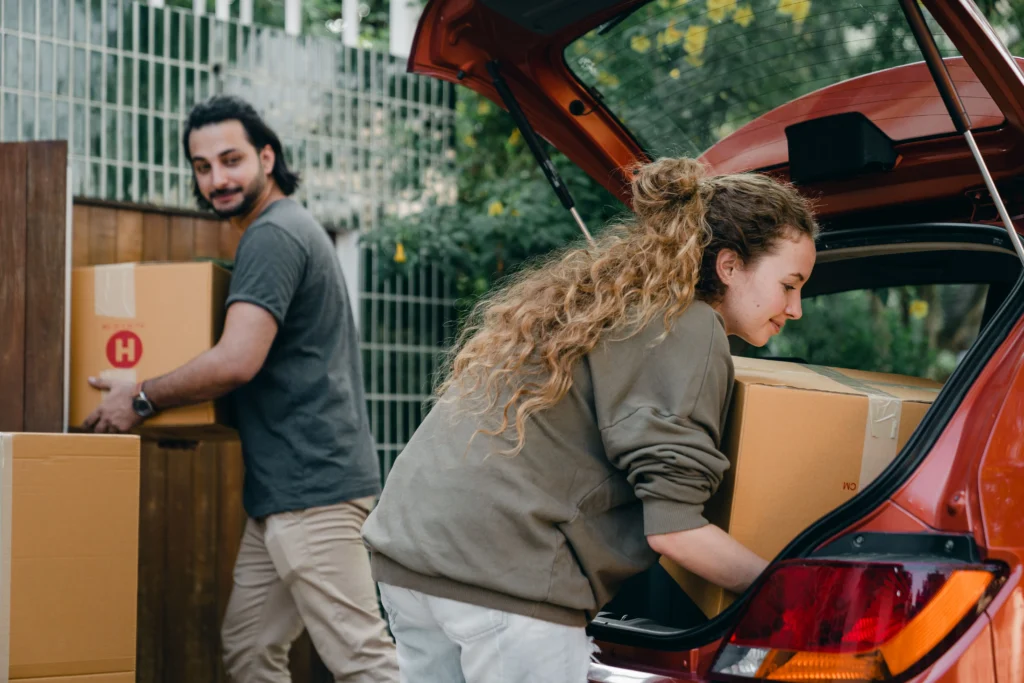
Furniture. Habitat for Humanity ReStores take furniture in good shape, and many local furniture banks give it directly to families moving into new housing. The Salvation Army and some other charities will pick up large pieces from your home. Most want furniture without stains, rips, broken parts, or pet damage.
Clothing, shoes, and accessories. Thrift stores like Goodwill and the Salvation Army take nearly all wearable clothing at drop-off. Women’s shelters and local clothing closets often need specific items, so check their lists before you drop off.
Appliances, fixtures, and building materials. Habitat ReStores take working appliances, cabinets, light fixtures, flooring, tools, and leftover renovation supplies, and some locations will schedule a pickup.
Kitchen items and home decor. Dishes, cookware, lamps, and decor go to thrift stores or furniture banks, which often need full kitchen setups for families starting over.
Books, movies and music. Your local Friends of the Library group usually takes books in good condition, plus DVDs, CDs, and audiobooks in their original cases.
Pet supplies, towels and blankets. Animal shelters use old towels, blankets, and sheets as bedding, and they’ll take gently used pet beds, crates, cat trees, and toys.
Unopened food and toiletries. Food banks and children’s shelters take sealed, unexpired food and new toiletries, which makes clearing out the pantry before a move a lot easier.
What most charities won’t take
Call ahead or check a charity’s website before you load the car, because most turn away:
- Broken or non-working appliances
- Mattresses and upholstered furniture with stains, tears, or pet damage
- Cribs, car seats, and other items with safety standards or recalls
- Paint, chemicals, batteries, and other hazardous materials
For what’s left, scrap metal recyclers often take broken appliances, and most counties run household hazardous waste drop-offs. Your city’s bulk trash or solid waste service handles the rest.
Sell it or give it away
Facebook Marketplace, Craigslist, and local Buy Nothing groups work well for items charities can’t use or pieces worth selling. Start listing a few weeks before the move so you don’t end up packing your sale items. If you just want something gone, list it for free with a curbside pickup and a street name, then take the listing down once it’s claimed.
A few tips before you donate
- Check each charity’s current needs list, since what they accept changes.
- Ask for a receipt if you plan to claim the donation on your taxes.
- Clean items before you drop them off. It makes them easier for the charity to sell or pass along.
FAQs
Where can I donate furniture before moving?
Habitat for Humanity ReStores, local furniture banks, and thrift stores like the Salvation Army take furniture in good condition, and many offer free pickup for large pieces. Little Guys Movers can also coordinate donation pickups as part of your move.
Will charities pick up donations from my home?
Many will. The Salvation Army, Habitat for Humanity ReStores, and most furniture banks schedule pickups for large items. Book a week or two ahead, since pickup dates fill up near the end of the month.
Where can I donate a mattress?
Most thrift stores and charities don’t accept used mattresses. Some furniture banks and shelters take mattresses in very good condition, so call ahead. Otherwise, check your city’s bulk trash or mattress recycling options.
What items can’t be donated?
Most charities turn away broken appliances, stained or damaged mattresses and upholstery, cribs and car seats, and hazardous materials like paint and chemicals. Recycle broken appliances at a scrap metal yard and take hazardous materials to your county’s drop-off.
How far ahead should I start donating before a move?
Start six to eight weeks out if you can. That leaves time to sort room by room, schedule pickups for large items, and sell anything worth selling before packing begins.
Let us handle the donation run
Little Guys Movers offers unwanted item removal and donation coordination as part of your move or as a standalone service. We haul away what isn’t making the trip, set up donation pickups for items in good shape, and responsibly dispose of the rest.
Ready to Move? We've Got You Covered.
Whether you're ready to book or just have questions, we're here to help.