
Folks moving to Fort Worth have always had to answer the question: why not Dallas?
It’s a fair question, and the answer has gotten clearer every year. Fort Worth is not just a smaller version of Dallas. It is a different city with a distinct character, a thriving economy, and a welcoming vibe.
The Stockyards are not just a tourist attraction; they’re integral to the city’s identity. The Cultural District’s museums are among the best in Texas. The Near Southside restaurant scene has earned national attention. And the city has grown to nearly 1 million residents while keeping a scale that still feels manageable.
We serve the Fort Worth market and the entire western DFW corridor from our Denton, Argyle, and Flower Mound locations.
Let us give you the scoop on Funkytown!
Why People Are Moving to Fort Worth, TX
Fort Worth’s growth has been sustained and broad-based, built on a diversified economy that spans aerospace, healthcare, logistics, education, and energy.
What’s Driving Growth

Aerospace and defense is Fort Worth’s most distinctive economic pillar. Lockheed Martin produces the F-35 fighter jet at its Fort Worth facility, one of the largest single industrial sites in the United States and a major anchor employer. Bell Textron, American Airlines (headquarters in Fort Worth, not Dallas), and a cluster of aerospace suppliers and defense contractors create an aerospace and aviation ecosystem. Together, they employ tens of thousands of skilled workers across the metro.
Healthcare is the second major pillar. Texas Health Resources operates multiple hospital campuses across the Tarrant County market. JPS Health Network is the county’s public health system. Cook Children’s Health Care System is one of the country’s top-ranked children’s hospitals. Taken as a whole, they make healthcare one of the most stable employment categories in the Tarrant County economy.
Education: Texas Christian University (TCU), Texas Wesleyan University, and the University of North Texas Health Science Center at Fort Worth collectively contribute research activity, employment, and a talent pipeline that has grown with the city.
Logistics and distribution: Fort Worth’s easy access to I-20, I-35W, I-820, and Loop 820 makes it a hub for logistics and transportation. Its proximity to Perot Field, aka Alliance Airport (the largest master-planned industrial/commercial airport in the country, developed by Ross Perot Jr.), also attracted Amazon, FedEx, and dozens of distribution centers that operate in the Alliance corridor.
Energy: The natural gas fields underlying the Fort Worth Basin (part of the Barnett Shale) made Fort Worth a significant energy city, and the energy sector still contributes to the economy even as the basin’s most active drilling phase has passed.
Quality of Life Factors

Fort Worth’s job market is anchored by aerospace, healthcare, logistics, and education, with professional services and a growing tech presence. The Alliance corridor in north Fort Worth specifically has emerged as a major employer concentration.
Outdoor recreation in Fort Worth takes two forms: the city’s parks system (Lake Worth and the 103-mile Trinity Trail system along the Trinity River) and broader North Texas outdoor access (Possum Kingdom Lake, Palo Pinto Mountains State Park, and Lake Granbury, all within 90 minutes). The Fort Worth Nature Center and Refuge is a 3,621-acre wildlife refuge entirely within city limits.
Cost of Living

The cost of living in Fort Worth sits right at the national average, making it one of the more affordable large cities in Texas. Home prices range from the mid-$200,000s to $500,000-plus depending on size and location, while renters can expect monthly payments between $1,100 and $2,000 or more. Texas has no state income tax, and Tarrant County’s property taxes, while high by national standards, run modestly below Dallas County effective rates in most zip codes. Fort Worth’s median home price of approximately $329,000 is well below Dallas city proper, making the ownership math more favorable for buyers at median income levels.
The median home value sits around $329,000 by mid-2026 data, with a balanced market averaging about 55 days on market and roughly four months of supply. That’s a significantly different environment from the rushed market of 2021-2022. Per SmartAsset’s 2026 report, a single adult in Fort Worth needs about $98,000 per year to live comfortably; a family of four needs roughly $217,000.
Food and culture in Fort Worth have matured considerably beyond the Stockyards narrative. The Near Southside is a mixed-use neighborhood just south of downtown. It has a concentration of independent restaurants, breweries, galleries, and live music venues, making it the most talked-about food corridor in Fort Worth.
The Cultural District houses four major museums within walking distance of each other: the Kimbell Art Museum (widely considered one of the best small art museums in the world for its collection and Philip Johnson building), the Modern Art Museum of Fort Worth, the Amon Carter Museum of American Art, and the Fort Worth Museum of Science and History. Sundance Square, the city’s 35-block downtown pedestrian district, has been a model for mid-size city revitalization.
What Are the Best Neighborhoods in Fort Worth, TX?
Fort Worth’s geography centers on two cores: downtown and the Cultural District on the western edge, and the growing Alliance and North Fort Worth corridor on the northern end. The near-east and near-south sides have the city’s most established urban character, while the far-west and far-south suburbs offer newer construction at lower price points.
Westover Hills: Fort Worth’s Premier Address
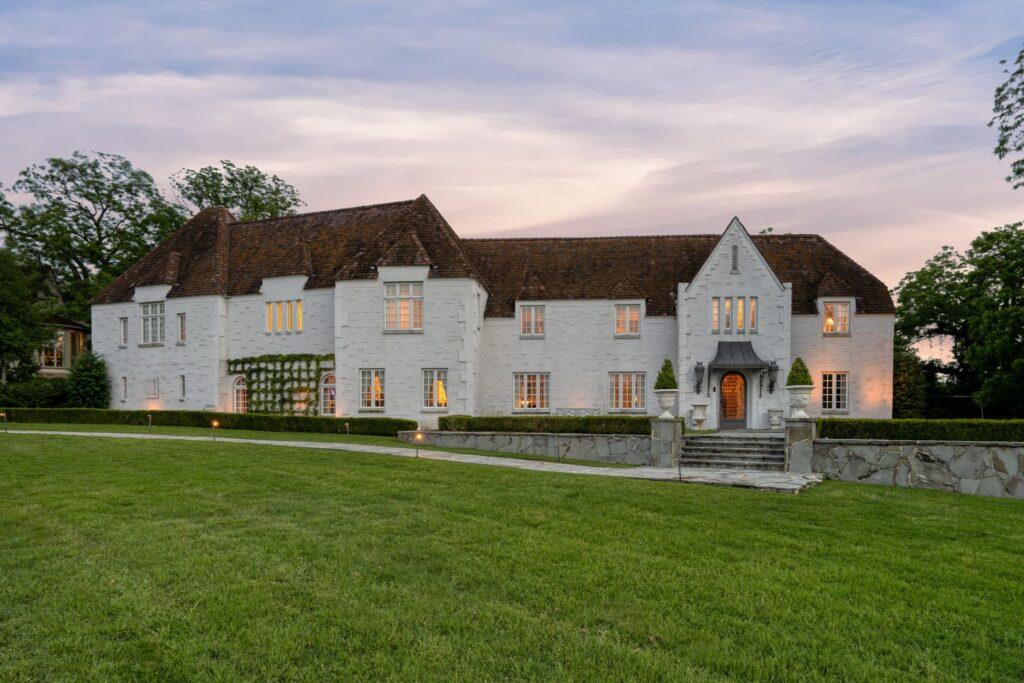
Character: An independent municipality of roughly 700 residents entirely enclosed within Fort Worth, Westover Hills is the most prestigious residential address in the city. Known for stunning estates, tree-lined streets, and architectural diversity, homes here range from $800,000 to $3,000,000+, featuring custom designs and sprawling lots.
Median home price: 800,000-3M+
Who lives here: Fort Worth’s most established professional and executive class, energy and aerospace executives, surgeons and senior physicians, and multi-generational Fort Worth families.
What makes it special:
- Privacy and scale: Lots are significantly larger than anywhere else near the urban core; the lots and homes are scaled to match the address
- Cultural District proximity: Walking distance or a very short drive to the Kimbell, Modern, Amon Carter, and the rest of the Cultural District
- Tree coverage: The mature hardwoods throughout Westover Hills took decades to grow; the canopy is a welcome differentiator
- Independent municipality: Its own governance and city services; consistent community character over decades
Worth knowing: Inventory in Westover Hills is limited. When homes do come available, they sell to a small pool of well-qualified buyers. Entry requires jumbo financing above the $832,750 conforming loan limit. Property taxes, while high, are somewhat moderated by the independent municipality’s lower city rate.
Monticello and Fairmount: Urban Fort Worth with Character

Character: Two adjacent historic neighborhoods just south and southwest of downtown with craftsman bungalows, Tudor cottages, and early-20th-century homes on tree-lined streets. Monticello and Fairmount are Fort Worth’s most architecturally interesting residential neighborhoods. They’re the landing spot for buyers who want urban walkability and neighborhood character over suburban convenience.
Median home price: 350,000-650,000
Who lives here: Young professionals, couples, and families who have researched Fort Worth’s neighborhoods carefully and know what character means; TCU and hospital corridor employees who want a short commute; buyers who want something that looks nothing like a suburban tract.
What makes it special:
- Near Southside adjacency: The walkable dining and entertainment corridor of the Near Southside is a short walk from most Monticello and Fairmount addresses; Magnolia Avenue is the main artery
- Architecture: The concentration of 1910s-1930s craftsman and Tudor homes gives these neighborhoods a streetscape character that’s uncommon in North Texas
- Walkability: Some of the highest walk scores in Fort Worth; many daily errands accessible without a car for residents of the densest blocks
Worth knowing: Like any older urban neighborhood, homes carry the maintenance considerations of their age: HVAC, plumbing, and electrical systems need evaluation. Some blocks are more polished than others. Parking on narrow historic streets can be tight.
TCU/Westcliff: University Energy with Residential Stability
Character: The residential neighborhoods surrounding Texas Christian University’s campus on Fort Worth’s southwest side offer a mix of university energy and established residential character that appeals to a broad range of buyers. TCU’s campus anchors a commercial corridor of restaurants, coffee shops, and retail, while the surrounding streets have craftsman and mid-century homes alongside newer construction.
Median home price: 380,000-600,000
Who lives here: TCU faculty and staff, young professionals in the healthcare and cultural district corridors, families who want southwest Fort Worth’s access and school options, and buyers who want proximity to Hulen Mall and the southwest retail corridor.
What makes it special:
- Texas Christian University: A nationally ranked private university whose campus is one of the most attractive in Texas; its presence gives the neighborhood energy and a consistent calendar of events, sports, and programming
- Colonial Country Club: The home of the PGA Tour’s Charles Schwab Challenge, one of golf’s most storied events; the tournament in May brings significant energy to the southwest corridor
- Southwest accessibility: Easy access to Hulen Mall, the Cultural District, and I-30 westbound
Worth knowing: TCU’s football and basketball calendars affect parking and traffic in the immediate campus area on game days. The rental market near campus creates some neighborhood variability; due diligence at the block level is worthwhile.
Alliance / North Fort Worth: Growth Corridor with Full Infrastructure
Character: The Alliance corridor in North Fort Worth is one of the most significant economic and residential development zones in the DFW metro. Alliance Airport anchors a massive industrial and logistics cluster. The residential development that has grown alongside it includes master-planned communities, strong schools through Northwest ISD and Keller ISD, and suburban amenities.
Median home price: 350,000-550,000
Who lives here: Logistics and aerospace professionals working the Alliance and north Fort Worth employment corridors, families prioritizing Northwest ISD and Keller ISD school quality, dual-income households who want new construction and full suburban infrastructure, and buyers relocating from north Dallas who want more house for the same money.
What makes it special:
- Employment proximity: Alliance Airport’s logistics cluster (Amazon, FedEx, Sabre Industries), and the broader north Fort Worth aerospace corridor mean short commutes for many residents in this area
- Northwest ISD and Keller ISD: Both rank among the stronger suburban school districts in Tarrant County, with multiple recognized campuses
- New construction availability: The Alliance corridor has more new construction inventory than almost any other part of Fort Worth, giving buyers modern floor plans, energy efficiency, and builder warranties
- Amenities: Presidio and Timarron shopping corridors, Texas Motor Speedway (NASCAR and IndyCar events), and Tanger Outlets Alliance all nearby
Worth knowing: North Fort Worth and Alliance trade urban proximity for suburban scale; downtown Fort Worth is 20-30 minutes south, and Dallas is 40-50 minutes east. Growth is real, but infrastructure sometimes lags behind residential development in the corridor’s fastest-moving sectors.
Near Southside: Fort Worth’s Creative Neighborhood

Character: A mixed-use neighborhood immediately south of downtown along Magnolia Avenue that has become the most talked-about food and entertainment corridor in Fort Worth. Independent restaurants, craft breweries, live music, and a growing residential community of apartments, lofts, and renovated older homes have given the Near Southside a character that draws people from across the metro.
Median home price/rent: 1,000-1,800/month for apartments; homes 280,000-480,000
Who lives here: Young professionals, creatives, healthcare workers from nearby JPS and Texas Health facilities, and people relocating from larger cities who want urban energy at a scale they can afford.
What makes it special:
- Magnolia Avenue corridor: The density of independent restaurants, bars, and coffee shops along Magnolia is the highest in Fort Worth; the street-level experience is legitimately walkable and interesting
- Near Southside Fort Worth: An active community development organization that has managed the corridor’s growth thoughtfully, keeping a mix of long-standing businesses and new arrivals
- Hospital proximity: JPS Health Network and Texas Health Harris Methodist are both within a short commute, making this the most practical urban neighborhood for healthcare workers
- Affordability relative to character: The Near Southside offers urban energy at prices that would be significantly higher in a comparable neighborhood in Dallas or Austin
Worth knowing: The Near Southside’s rapid development has raised rents and some home prices substantially from where they were five years ago. Some blocks are more developed than others; the corridor extends beyond Magnolia’s most polished stretch. And like any neighborhood built around bars and restaurants, Friday and Saturday nights are livelier than Tuesday mornings.
Other Neighborhoods of Note
Aledo (Parker County): A rapidly growing suburb west of Fort Worth with its own Aledo ISD (consistently one of the top-ranked districts in Texas), large lots, newer construction, and a community character that is different from standard suburban development. Popular with buyers who want space and school quality without paying Southlake or Westlake prices.
Keller and Southlake: Premium suburbs in northeast Tarrant County. Southlake is Carroll ISD territory and commands premium pricing (700,000-1.5M+). Keller offers Keller ISD at more accessible price points (400,000-650,000). Both have strong community infrastructure and high owner-occupant satisfaction rates.
Benbrook: A southwest Fort Worth suburb with a Lake Benbrook recreation anchor, more affordable pricing, and a quieter residential character. Popular with families who want outdoor recreation access and suburban stability without the premium of Westover Hills or TCU-adjacent addresses.
Ready to Move? We've Got You Covered.
Whether you're ready to book or just have questions, we're here to help.
What Is the Cost of Living in Fort Worth, TX?
Fort Worth sits right at the national average for overall cost of living, making it one of the more accessible large Texas cities.
| Category | Fort Worth | Dallas | Austin | National Avg |
|---|---|---|---|---|
| Median home price | ~$329K | ~380K-440K | ~530K-577K | ~$440K |
| State income tax | None | None | None | Varies |
| Average rent (2BR) | ~1,100-2,000/mo | ~1,400-1,700/mo | ~1,700-1,900/mo | ~$1,700/mo |
| Property tax rate | ~2.0-2.4% effective | ~2.0-2.6% | ~1.8-2.0% | ~1.0% |
| Overall cost of living | ~At national average | ~1-2% above | Above average | Baseline |
The same property tax dynamics that apply throughout Texas apply here: effective rates of 2.0-2.4% of assessed value, offset by no state income tax and significantly softened by the $140,000 school district homestead exemption (SB 4, 2025). On a $329,000 home, expect roughly 6,500-8,000 annually in property taxes before the homestead exemption. File immediately after closing.
What to Know Before Moving to Fort Worth, TX
Getting Around Fort Worth
Fort Worth is a car city, and understanding the highway grid matters for neighborhood selection:
- I-35W is the primary north-south artery through the center of the city; it connects downtown Fort Worth to Alliance and Denton to the north and Burleson to the south
- I-30 runs east-west through the core; it’s the primary connector to Dallas and Arlington
- Loop 820 is the ring road around the older city; inside Loop 820 is established Fort Worth; outside is the growth corridor
- Alliance is connected primarily via I-35W and Texas 170; the commute south to downtown is straightforward off-peak but adds time during morning rush
- Moving trucks should avoid downtown Fort Worth during Stockyards events (major concerts, rodeo events) and TCU home football Saturdays when the southwest corridors back up
High-Rise and Historic Building Considerations
Fort Worth has a growing downtown residential population, and a handful of buildings carry standard high-rise requirements:
- COI (Certificate of Insurance): Required at most downtown apartment and condo buildings; $1-2M liability coverage is standard; coordinate 1-2 weeks in advance
- Historic home access: Monticello and Fairmount neighborhoods have narrow streets and limited truck staging; plan the approach in advance
- Stockyards and historic district limitations: Large truck access in the Stockyards historic district is restricted; coordinate carefully for any moves in that area
Texas Motor Speedway Calendar
Texas Motor Speedway in north Fort Worth hosts multiple major events per year, including NASCAR Cup Series races (spring and fall) and IndyCar events. Race weekends bring significant traffic to the entire I-35W north corridor and the Alliance area. Check the TMS schedule before booking a move for that region.
Summer Heat
Fort Worth summers are slightly drier than Dallas but equally hot. Consistent 95-105°F from June through September, with humidity that builds in July and August. Budget 200-350 per month for electricity during peak months. Moves scheduled for early morning (before 9 am) in summer months are significantly more manageable for crews.
Moving Calendar: When to Move (and When to Avoid)
Best Times
- October-November: The best window for Fort Worth moves. Temperatures drop into the 70s-80s°F, humidity breaks, and moving company availability improves substantially. October racing events at TMS aside, this is the smoothest season.
- February-March: Pre-summer, pre-university-semester-end. Good weather and solid availability. Watch for late-February ice events; they’re infrequent but can materialize quickly.
- January: The slowest and cheapest moving season. Mild Fort Worth winters rarely disrupt moves, though ice is the one variable to monitor.
Times to Avoid
- June-September peak heat: Physically demanding for crews, peak pricing, and competition for availability with the broader DFW moving surge.
- TCU home football Saturdays (September-November): Southwest corridor and campus area affected; avoid moves near campus and on Stadium Drive on game days.
- Texas Motor Speedway race weekends: North Fort Worth and Alliance corridor; check the TMS calendar before booking.
- Charles Schwab Challenge PGA tournament (May, Colonial Country Club): Southwest Fort Worth affected for the tournament week; avoid moves near the TCU and Cultural District area during that window.
Things to Do in Fort Worth, But Maybe Not on Moving Day
- TCU Horned Frogs home football (Saturdays fall, Amon G. Carter Stadium)
- Fort Worth Stock Show and Rodeo (late January/early February, Will Rogers Memorial Center area)
- Charles Schwab Challenge (May, Colonial Country Club)
- Texas Motor Speedway events (spring and fall)
- Panther Island Pavilion events (spring through fall, Trinity River waterfront)
Frequently Asked Questions About Moving to Fort Worth, TX
Is Fort Worth, TX a good place to live?
Yes. Fort Worth offers a diversified economy, a cost of living at or near the national average, strong suburban school districts, and a downtown and near-south cultural scene that has matured considerably over the past decade. The honest trade-offs are Texas property taxes, a car-dependent layout, and hot summers. People who want Texas without the Austin price tag or the Dallas scale often find Fort Worth a convenient middle ground.
How affordable is Fort Worth compared to Dallas?
Fort Worth is moderately more affordable than Dallas across most metrics. The median home price of approximately $329,000 runs below Dallas’s 380,000-440,000 city median, and rents in most neighborhoods are somewhat lower. The property tax dynamics are broadly similar between the two cities.
What is Fort Worth known for?
Fort Worth is known as Cowtown, home of the Fort Worth Stockyards (the last remaining cattle stockyards in a major US city), a Cultural District with four major museums, Sundance Square’s pedestrian downtown, American Airlines’ headquarters, and Lockheed Martin’s F-35 production facility. It’s also the western anchor of the DFW metroplex and Texas’s second-largest city by area.
What are the best neighborhoods in Fort Worth for families?
The Alliance and North Fort Worth corridor (Northwest ISD and Keller ISD), Keller and Southlake, and the Aledo area to the west are the most consistent choices for families prioritizing school quality and community infrastructure. Closer to the urban core, TCU and Westcliff offer good access to southwest Fort Worth’s school and amenity corridor.
How far is Fort Worth from Dallas?
Fort Worth and Dallas are approximately 30-35 miles apart, with the mid-cities (Arlington, Irving, Grand Prairie) between them. The drive takes 35-45 minutes off-peak on I-30 or I-20. During peak rush hours, budget 50-70 minutes in either direction.
When is the best time to move to Fort Worth?
October through November and February through March offer the best combination of mild weather, good mover availability, and lower pricing. January is the most affordable window. Avoid June through September heat and peak pricing, TCU home football Saturdays, and Texas Motor Speedway race weekends if you’re moving in the north Fort Worth corridor.
Let Little Guys Movers Make Your Fort Worth Move Easy
We’re biased. We think Little Guys is the best choice when moving to Fort Worth. Whether you’re arriving for a Lockheed Martin or Bell Textron role, relocating for a healthcare position at Cook Children’s or Texas Health, or simply ready to find out what Cowtown has become, we’re committed to making your move as smooth as possible.
Our crews serve the entire Fort Worth metro from our Denton and Flower Mound locations. We know the near-south neighborhoods’ narrow streets, the Alliance corridor’s growth-stage quirks, and how to plan a move around TCU’s game schedule. We’re happy to walk you through any of it before moving day.
From the team at Little Guys Movers. Welcome to Fort Worth.
Ready to Move? We've Got You Covered.
Whether you're ready to book or just have questions, we're here to help.