
There’s a moment that happens to almost everyone who visits San Marcos for the first time. You find the river.
The San Marcos River runs crystal-clear and at 72°F year-round, fed by natural springs that have been flowing since long before the city existed. People have lived along these banks for more than 12,000 years, making this one of the oldest continuously inhabited sites in the Americas. And when you wade in for the first time, surrounded by cypress trees and that improbable blue-green water in the middle of Texas, you start to understand why people who come here tend to stay.
San Marcos sits at the geographic sweet spot of the I-35 corridor, 30 miles south of Austin, 45 minutes north of San Antonio, and it’s been one of the fastest-growing cities in the country for the better part of a decade. But all that growth hasn’t stripped away what makes the city special.
The river is still there. The historic downtown is still walkable and locally owned. Texas State University gives the city a youthful energy that keeps it from feeling like just more suburban sprawl.
For people relocating to Central Texas, whether you’re priced out of Austin, chasing a Texas State opportunity, or simply looking for a city that offers real quality of life at a price that makes sense, San Marcos has become one of the most compelling answers in the region.
We serve San Marcos and the entire I-35 corridor between Austin and San Antonio. Our crews know the neighborhoods, the bridges, the summer river traffic, and why people who move here rarely regret it.
Let us show you around.
Why People Are Moving to San Marcos, TX
San Marcos is no longer just Austin’s more affordable neighbor. It has its own economy, its own identity, and its own reasons to choose it over anywhere else on the corridor.
What’s Driving Growth
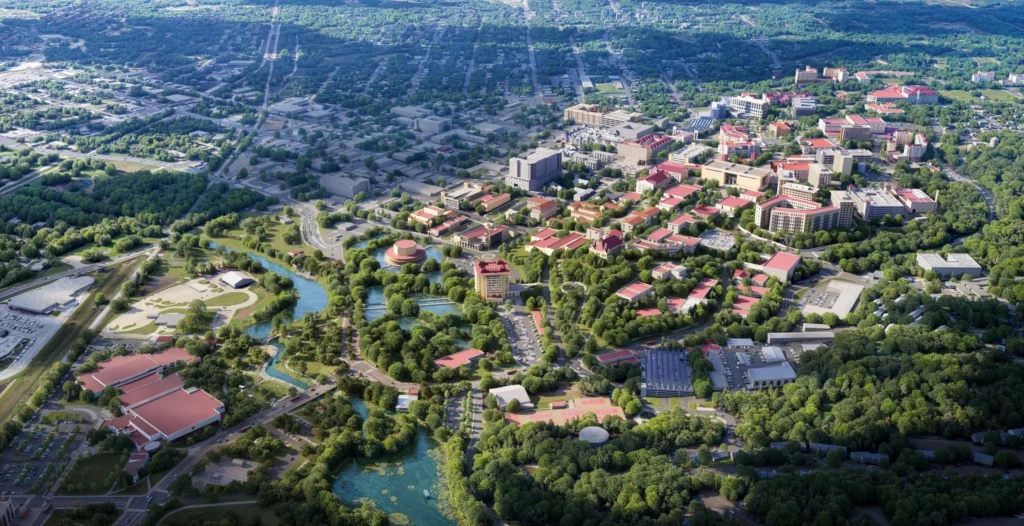
Texas State University is the anchor. With nearly 40,000 students, Texas State is one of the largest universities in Texas and the single biggest driver of the local economy. A recent independent study found that TXST generates nearly $8 billion in statewide economic impact annually and adds $3.2 billion directly to the Central Texas regional economy, supporting the equivalent of 32,500 regional jobs.
Beyond TXST, the I-35 corridor economy that San Marcos sits at the center of is one of the most dynamic in the country:
- Retail and outlet commerce: San Marcos Premium Outlets and Tanger Outlets together make San Marcos one of the top outlet shopping destinations in the US, an economic driver that brings millions of visitors and thousands of jobs to the city
- Logistics and distribution: Amazon operates a major fulfillment center in San Marcos, which opened with more than 3,000 permanent full-time positions, one of the anchor employer announcements in the city’s recent growth
- Healthcare: Ascension Seton Hays is the primary hospital serving the San Marcos area; the healthcare sector has expanded significantly alongside population growth
- Aviation: San Marcos Regional Airport hosts flight training operations and light commercial activity, with Coast Flight Training transitioning pilots toward commercial aviation careers
- Austin spillover: Tech companies, startups, and professional services firms increasingly look to the corridor for office space and employees who prefer living outside Austin’s price premium
Texas has no state income tax, a meaningful advantage for anyone relocating from California, the Northeast, or other high-tax states. And Hays County has consistently been one of the fastest-growing counties in the country, which means infrastructure, retail, and services have kept pace with demand in a way that slower-growth markets can’t match.
Quality of Life Factors
The job market in San Marcos centers on education, retail, healthcare, logistics, and professional services. Texas State University creates significant demand for everything from food service and hospitality to research and administration. And the corridor’s proximity to Austin means remote workers and professionals in tech, finance, and consulting can live here while tapping into Austin’s job market.
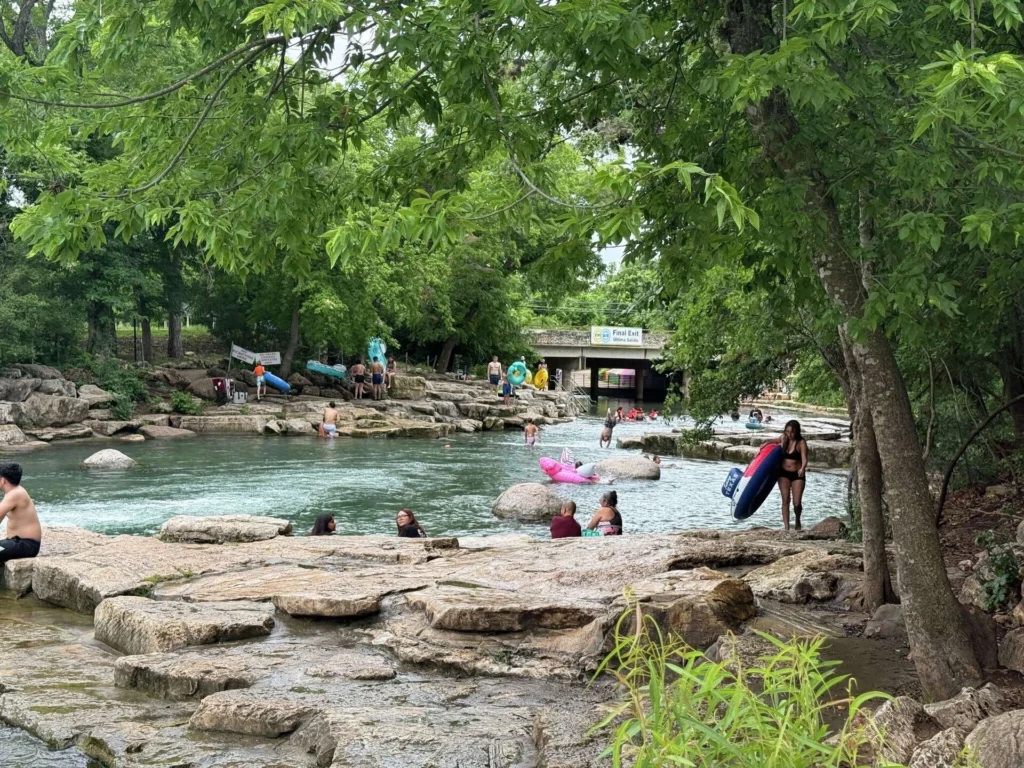
Outdoor recreation is where San Marcos separates itself. The San Marcos River stays a constant 72°F year-round, with crystal-clear spring water that makes tubing, kayaking, paddleboarding, and swimming possible every month of the year, not just in summer.
Rio Vista Park and the river rapids are a local institution. Purgatory Creek Natural Area offers 25+ miles of trails through Hill Country terrain. Wonder World Cave, the only tour cave in the US created by an earthquake, sits just outside town. And Meadows Center for Water and the Environment runs glass-bottom boat tours over the spring-fed lake that started it all.
The cost of living in San Marcos is approximately 9–14% below the national average, depending on the measure a significant number for a city with this much to offer. Median home prices sit around $290K–$360K, dramatically below Austin’s $540K–$600K range. Rents average $1,170/month for a one-bedroom and $1,386 for a two-bedroom, well below the national average and a fraction of what comparable units cost in Austin proper.
Food and culture center on the downtown square, a walkable collection of locally owned restaurants, bars, boutiques, and live music venues that hasn’t been overrun by national chains. Cheatham Street Warehouse is a Texas music institution. The Root Cellar Café and Black’s Barbecue are local staples. The San Marcos Farmers Market, a weekend market in the heart of downtown, brings local vendors, food, and live music together in a way that feels authentically San Marcos.
What Are the Best Neighborhoods in San Marcos, TX?
Like a thing of beauty, the best neighborhood is always in the eye of the beholder. People at different life stages have different needs, and the perfect house on the perfect street is 100% subjective and possibly doesn’t exist.
One important caveat specific to San Marcos: the university shapes the rental market and neighborhood character in ways that vary significantly block to block. If you’re a student or young professional who wants walkable campus access and downtown energy, that’s a very different search from that of a family looking for stable schools, quiet streets, and non-student neighbors. Know which you are before you start your search.
That said, here are the neighborhoods we know best after years of moving in the area.
Downtown San Marcos / Historic District: Character and Walkability
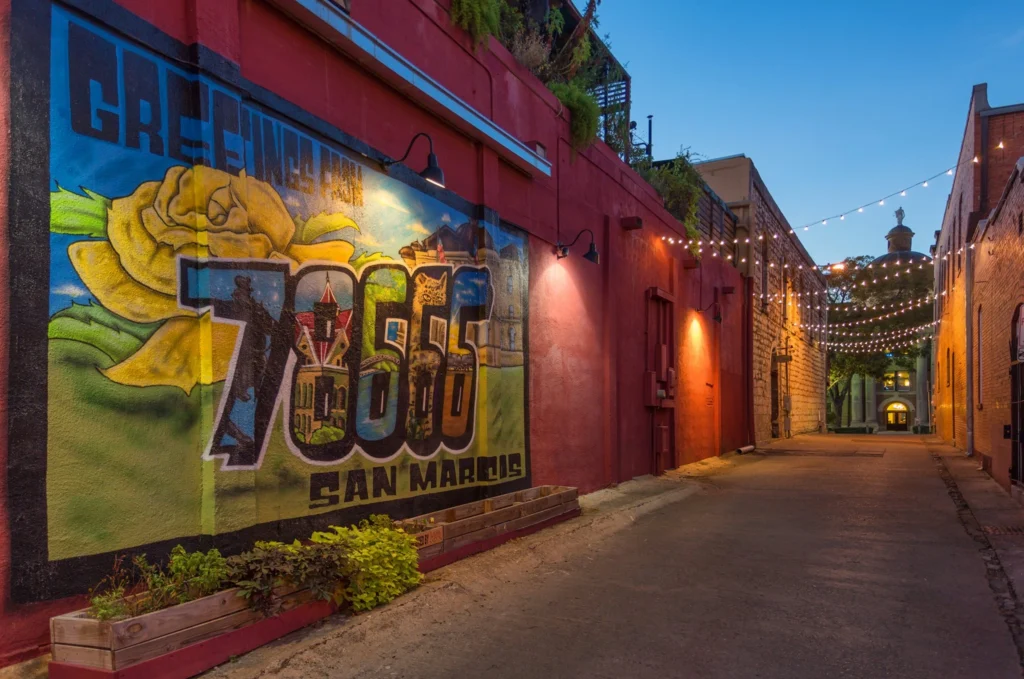
Character: The historic heart of the city is a walkable grid of buildings anchored by the Hays County Courthouse, the Kissing Alley murals, and a concentration of locally owned restaurants, bars, boutiques, and live music venues. The residential streets surrounding the core have a mix of craftsman bungalows, Victorian homes, and older cottages that give the neighborhood quirky architectural character.
Median home price: $320K–$500K
Who lives here: Young professionals, Texas State faculty, couples, and long-time San Marcos residents who want walkability and neighborhood identity. This is also the landing spot for people moving from Austin who want to keep the energy without the price tag.
What makes it special:
- Walkability: Rare for a Texas city: dining, live music, shopping, and weekend markets all within walking distance
- Cheatham Street Warehouse: A Texas music landmark; live music most weekends in an intimate, historic venue
- Proximity to the river: Rio Vista Park and downtown river access are minutes away
- Character: The mix of Victorian homes, murals, and locally owned businesses gives this area a texture that newer neighborhoods simply can’t replicate
Worth knowing: Proximity to Texas State means some streets experience more noise and foot traffic than others, especially Thursday through Saturday nights. Parking near the square can be tight during events. And some older homes have renovation costs that aren’t always visible in listing photos. Visit on a weekend evening before committing.
La Cima: San Marcos’s Premier Master-Planned Community
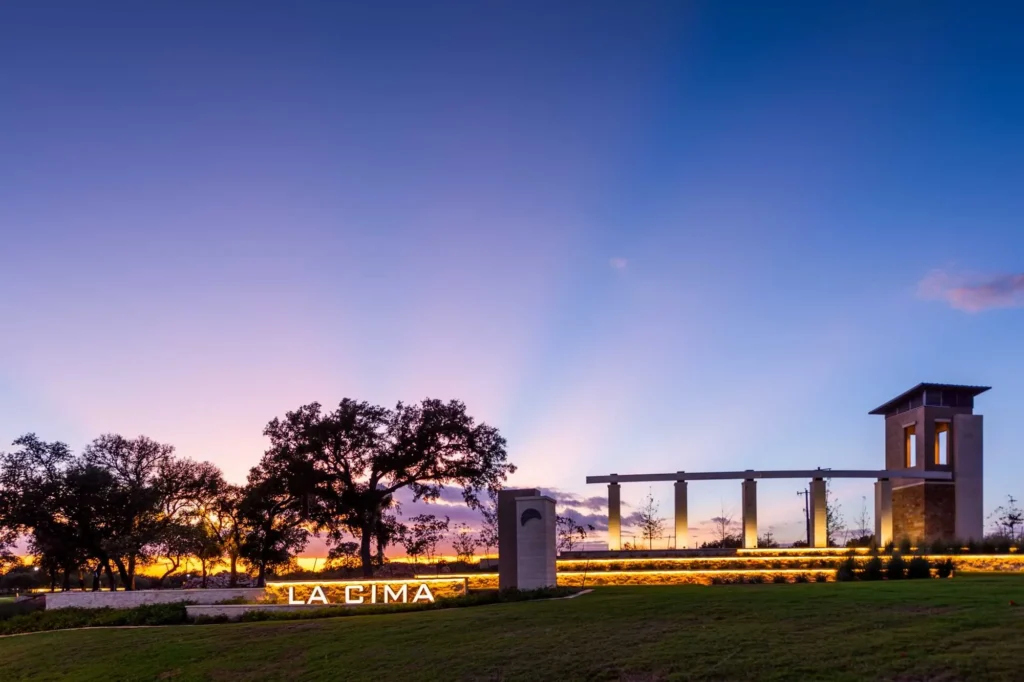
Character: The most polished new-construction neighborhood in San Marcos, La Cima is a master-planned community with resort-style amenities, structured HOA management, and a consistent aesthetic that appeals to buyers who want everything new and well-maintained. Located near I-35 and the Purgatory Creek Natural Area, it sits close enough to downtown without feeling absorbed by the university energy.
Median home price: $370K–$550K
Who lives here: Young families, dual-income professionals, corporate relocations from Austin, and buyers who prioritize new construction, school access, and neighborhood infrastructure over vintage character.
What makes it special:
- Amenities: Community pool, trails, playground, and an amenity center built into the development, the kind of infrastructure that takes older neighborhoods decades to develop organically
- Purgatory Creek Natural Area: Direct trail access to 25+ miles of Hill Country hiking and biking from the neighborhood
- School access: Served by San Marcos CISD, including highly rated elementary options and proximity to San Marcos High School
- New construction quality: Buyers here get modern floor plans, energy-efficient systems, and warranty coverage that older neighborhoods can’t offer
- I-35 access: Easy on/off for Austin or San Antonio commuters
Worth knowing: HOA dues are significant, so factor them into your total housing cost comparison. La Cima’s polished character comes with covenant enforcement; review the rules carefully if you have strong opinions about exterior paint colors, landscaping, or parking. And the newer feel means less mature tree coverage than established neighborhoods.
Blanco River Village: River Access, Family-Friendly, Quieter Pace
Character: A residential neighborhood on the east side of the San Marcos River, built primarily in the 2005–2015 era, with newer construction, sidewalks, and a quieter, more family-oriented character than the downtown and campus areas. Popular with young families and remote workers who want proximity to outdoor recreation without the student-heavy energy of neighborhoods closer to TXST.
Median home price: $300K–$430K
Who lives here: Young families, remote workers, and professionals who want river access as part of daily life without the noise and parking pressure of downtown or campus-adjacent streets.
What makes it special:
- River proximity: Neighborhood access to the San Marcos River greenbelt and walking paths. This is a meaningful differentiator for buyers who plan to use the outdoor amenities regularly
- Suburban stability: Less student turnover than the university-adjacent areas; more consistent long-term neighbor relationships
- Price point: More attainable than La Cima for buyers who want a newer home without the master-planned premium
- Downtown access: Close enough to walk or bike to the square on weekends without being in the thick of it every night
Worth knowing: The floodplain is a real consideration in this area. The San Marcos River is beautiful, but some properties near the river are subject to flood insurance requirements. Ask specifically about flood zone designation and FEMA maps before making an offer. Flood insurance costs can significantly affect your total monthly housing expenses.
Willow Creek / Spring Lake Hills: Established Character, Texas Hill Country Feel
Character: Two adjacent south-side neighborhoods that offer a more established, quieter residential feel than the newer developments, with mature trees, larger lots, and a slower pace that appeals to Texas State faculty, retirees, and professionals who want space without sprawl.
Median home price: $350K–$500K
Who lives here: Families, TXST faculty and staff, retirees relocating within Texas, and buyers who want mature landscaping and established neighborhood identity rather than new construction.
What makes it special:
- Mature tree coverage: The established hardwoods throughout both neighborhoods create the kind of canopy streetscape that new construction communities take 30 years to replicate
- Spring Lake Natural Area access: Winding trails and natural Hill Country terrain immediately adjacent to the neighborhood
- Less student-driven: Both Willow Creek and Spring Lake Hills sit far enough from campus that the neighborhood character is more stable and family-oriented
- San Marcos CISD schools: Served by the district’s south-side campuses, which draw a more engaged parent community
Worth knowing: Some of the older housing stock in these neighborhoods requires updating. Budget for HVAC, roof, and plumbing systems on any home from the 1980s or 1990s. The south-side location means slightly longer drives to I-35 and the outlet corridor, which matters for regular commuters.
Other Neighborhoods of Note
Kissing Tree: San Marcos’s premier 55+ community resort-style amenities, including golf, pickleball, and pools, with new construction and an active social calendar. One of the best active adult communities in Central Texas.
Kyle / Buda (neighboring cities): Both are technically separate municipalities immediately north of San Marcos on I-35, but function as practical extensions of the housing market for buyers seeking greater affordability or newer infrastructure. Kyle, in particular, has been one of the fastest-growing cities in Texas.
New Braunfels (south): Located 20 miles south on I-35, New Braunfels offers a larger, more established market with its own river (the Guadalupe), a historic German heritage district, and slightly more suburban polish. Worth including in your search if you’re flexible on exact location.
Ready to Move? We've Got You Covered.
Whether you're ready to book or just have questions, we're here to help.
What Is the Cost of Living in San Marcos, TX?
San Marcos is one of the most affordable cities of its character and quality anywhere in Central Texas.
| Category | San Marcos | Austin | National Avg |
|---|---|---|---|
| Median home price | ~$290K–$360K | ~$540K–$600K | ~$420K |
| State income tax | None | None | Varies |
| Average rent (1BR) | ~$1,170/mo | ~$1,600–$1,900/mo | ~$1,500/mo |
| Average rent (2BR) | ~$1,386/mo | ~$2,000–$2,400/mo | ~$1,700/mo |
| Overall cost of living | ~9–14% below national avg | Near or above national avg | Baseline |
Property taxes in Hays County run higher than the national average (as they do across Texas, which funds schools and services through property tax rather than income tax), so factor that into your total housing cost calculation when comparing to other states.
What to Know Before Moving to San Marcos, TX
I-35: Your Primary Artery and Your Biggest Headache
I-35 is the spine of San Marcos and a constant work in progress.
- Construction: I-35 between Austin and San Antonio is undergoing an extended widening and improvement project; lane configurations and ramp access change frequently. Verify current conditions before moving day and build in extra time.
- Austin commute: San Marcos to downtown Austin is 30 miles, taking 35–45 minutes off-peak and 55–75 minutes during rush hour. If you’re commuting daily, southbound evenings are the most predictable direction; northbound mornings are the most congested stretch.
- Moving truck routing: Large trucks should avoid I-35 through the heart of San Marcos during peak hours. The SH-123 and Ranch Road 12 alternates can bypass the most congested interchanges.
- The downtown bridges: Trucks crossing the San Marcos River via the downtown bridge network have weight restrictions on some routes. Verify with your crew before planning the approach.
Texas State Move-In (Late August)
TXST move-in is the single most compressed event on the San Marcos moving calendar:
- LBJ Drive and University Drive, the primary campus-facing corridors, become effectively impassable during move-in weekend
- Parking in the downtown and near-campus areas is overwhelmed during the third and fourth weeks of August
- If you’re moving anywhere within two miles of campus, plan entirely around this window or expect significant delays
- The cascade effect: TXST brings nearly 40,000 students back to the city in a matter of days, and the downstream effects, such as grocery stores, gas stations, and road congestion, affect the whole city, not just the campus edge
Flood Zone Awareness
San Marcos has a beautiful river. It also floods. Not always, and not everywhere, but this is an important piece of due diligence for any prospective buyer:
- Review FEMA flood maps for any property you’re seriously considering, especially near the San Marcos River, Blanco River, or their tributaries
- Ask about flood insurance requirements. Some neighborhoods require it; others don’t; costs vary significantly
- The 2015 Memorial Day floods affected parts of San Marcos significantly; local awareness of flood risk is high, and most experienced local realtors will flag this proactively
Summer River Congestion
The San Marcos River is one of the best outdoor amenities in Texas.
- River Road and the tubing drop-off corridors experience severe congestion on Friday afternoons through Sunday from Memorial Day through Labor Day
- Plan moves on summer weekends to start before 8 am or after the afternoon tubing rush clears
- Parking near Rio Vista Park is essentially unavailable on summer weekend afternoons
Ready to Move? We've Got You Covered.
Whether you're ready to book or just have questions, we're here to help.
Moving Calendar: When to Move (and When to Avoid)
Best Times
- October–November: San Marcos’s best-kept secret. Temperatures drop into the 70s–80s°F, humidity eases significantly, and the river is still warm enough to enjoy on weekends. Moving company availability opens up, and pricing improves after the summer surge. The city feels most like itself in the fall.
- February–March: Pre-summer and before the spring semester end scramble. Pleasant temperatures, low humidity, and the wildflowers starting to bloom along the corridor a reminder of why people love Central Texas.
- January: The slowest-moving season and typically the best for pricing and scheduling flexibility. San Marcos winters are mild, with occasional cold snaps, but rarely anything that disrupts a move.
- Weekdays: Always preferable for parking, bridge access, and avoiding weekend river traffic.
Times to Avoid
- Late August (TXST move-in): The third and fourth weeks of August are the single most congested window of the year. Avoid if at all possible.
- Memorial Day through Labor Day (weekend moves near the river): Summer weekends on the I-35 corridor and the river access roads are difficult for large vehicles. Mid-week summer moves are manageable; weekend moves near the river are not.
- TXST graduation (May): Downtown and campus corridors back up; hotel availability across the city compresses.
- Mermaid Weekend / Summer in the Park series: Downtown events draw large crowds and affect parking and road access throughout the summer calendar.
- July–August peak heat: Central Texas summers are serious, with consistent 95–100°F+ heat and meaningful humidity. Physically demanding for crews; peak moving-season pricing applies.
Things to Do in San Marcos But Maybe Not on Moving Day
- Sights & Sounds of Christmas (November/December, downtown closes major streets)
- Mermaid Weekend (June, river corridor)
- Cheatham Street Warehouse live music (year-round, downtown)
- San Marcos Premium Outlets sales events (On Black Friday and major holiday weekends, I-35 and the outlet corridor become gridlocked)
- TXST home football Saturdays (fall, the entire city reorganizes around game day)
Frequently Asked Questions About Moving to San Marcos, TX
Is San Marcos, TX, a good place to live?
Yes, San Marcos offers a rare combination of natural beauty, college-town energy, affordability, and access to both Austin and San Antonio. The crystal-clear San Marcos River, walkable downtown, and Hill Country surroundings give it a quality of life that most cities at this price point can’t match. It’s consistently ranked among the best small cities in Texas.
How far is San Marcos from Austin?
San Marcos is approximately 30 miles south of Austin via I-35. The drive takes 35–45 minutes off-peak and 55–75 minutes during morning or evening rush hour heading north toward Austin.
Is San Marcos affordable?
Yes, the overall cost of living in San Marcos is approximately 9–14% below the national average. Median home prices run $290K–$360K, and average rents are well below both the national average and Austin comparables. Texas has no state income tax, which further stretches its affordability advantage.
What are the best neighborhoods in San Marcos for families?
La Cima, Blanco River Village, Willow Creek, and Spring Lake Hills are the most consistently recommended neighborhoods for families. They sit away from the heaviest student activity, offer solid school access through San Marcos CISD, and provide the suburban stability that families prioritize. La Cima is the most polished and amenity-rich option; Willow Creek and Spring Lake Hills offer more established character and mature landscaping.
What is San Marcos, TX, known for?
San Marcos is known for the crystal-clear San Marcos River (a year-round outdoor recreation destination), Texas State University, its position midway between Austin and San Antonio on the I-35 corridor, the San Marcos Premium Outlets, Cheatham Street Warehouse, and one of the best downtown squares in Central Texas. It’s also one of the oldest continuously inhabited sites in the Americas.
When is the best time to move to San Marcos?
October through November and February through March offer the best combination of mild temperatures, lower demand from moving companies, and better pricing. Avoid late August (TXST move-in), summer weekends near the river (Memorial Day through Labor Day), and the July–August peak-heat and peak-demand period.
Let Little Guys Movers Make Your San Marcos Move a Cinch
We’re biased; we think Little Guys is the best choice when moving to San Marcos. Whether you’re coming for school, relocating from Austin for more space and less overhead, or discovering that this city on the river is exactly what you’ve been looking for, we’re committed to making your move as smooth as possible.
Our crews know I-35, the TXST move-in calendar, the downtown bridge restrictions, and how to navigate a city that’s a premier outdoor destination. We’re happy to walk you through any of it before moving day.
From the team at Little Guys Movers, welcome to San Marcos.
Ready to Move? We've Got You Covered.
Whether you're ready to book or just have questions, we're here to help.